AI Startups Are Farm Teams for Big Tech
Inflection, Character, Windsurf, Scale. The pattern isn't failure. It's the business model working exactly as designed.
Watch what happened to Inflection AI. In 2023 it raised $1.3 billion, built a chatbot called Pi, and carried a $4 billion valuation. A real company with a real product and one of the most decorated founding teams in the field. Then in March 2024, Microsoft hired the CEO, Mustafa Suleyman, and most of the staff, paid around $650 million for a licensing arrangement, and left behind an empty shell for the investors to divide. Inflection still technically exists. Almost nobody uses it. That was never the point.
This is not a one-off. It's a genre now.
Character.AI was built by Noam Shazeer, one of the people who co-invented the Transformer, the actual architecture the entire industry runs on. In August 2024 Google paid roughly $2.7 billion to license its tech and bring Shazeer back into the fold. Adept, a billion-dollar agent startup, had its founders and top researchers pulled into Amazon that June. Windsurf, the coding tool everyone was talking about, watched Google take its CEO and lead researchers in July 2025 for a reported $2.4 billion, and the leftover company got sold for parts to Cognition days later. Scale AI, Meta paid $14.3 billion for a 49 percent stake and took the founder, Alexandr Wang, to run a new lab. Different names, same script every time.
The startup was never the asset. The people were, and the paperwork was built to move them without moving the company.
Here's the tell, and it's the whole essay. Why not just buy the company outright? Microsoft has the cash. Google has more. The answer is antitrust. A real acquisition triggers a Hart-Scott-Rodino filing, an FTC review, months of scrutiny, and in this climate a genuine chance of getting blocked. So the lawyers built a workaround. You don't buy the company. You "hire" its people and "license" its technology. Same outcome, the talent and the tech end up inside the giant, but on paper no merger happened, so there's officially nothing to review. It's a merger wearing a Groucho mustache.
The FTC noticed. It opened an inquiry into the Microsoft-Inflection deal. But by the time regulators finish squinting at the structure, the engineers have been at their new desks for a year and the startup is a memory. The process is the punishment, and in these deals there's barely a process to punish anyone with.
Notice how the language keeps getting sanitized, too. "Acqui-hire" was already a euphemism, a cute word for buying a company by buying its people. Now we've got "reverse acqui-hire," which means buying the people so aggressively you don't even pretend to buy the company. Each new term makes a more extractive deal sound more routine. That's not an accident. When an industry needs a fresh euphemism every eighteen months, it's usually because the plain description would sound illegal.
Now think about who eats the loss. Venture investors put real money into these companies, hundreds of millions of dollars, betting on an independent outcome. An IPO, a genuine acquisition, something. Instead the founders get a personal payday and a big-tech title, the incumbent gets the crown jewels, and the limited partners get a hollowed-out husk plus a proportional slice of a licensing fee. Sometimes that math works out for them. Often it's a bad trade wearing the costume of a good exit.
And competition is the casualty nobody bills for. Every one of these deals removes an independent player that might have grown into a real rival and folds its sharpest minds into a company that already had too much leverage. Antitrust law exists precisely to stop that kind of concentration. The entire design of the reverse acquihire is to get the concentration without tripping the law that's supposed to catch it. It works because the law was written for a world where buying a company meant buying the company, not renting its brain and letting the body die.
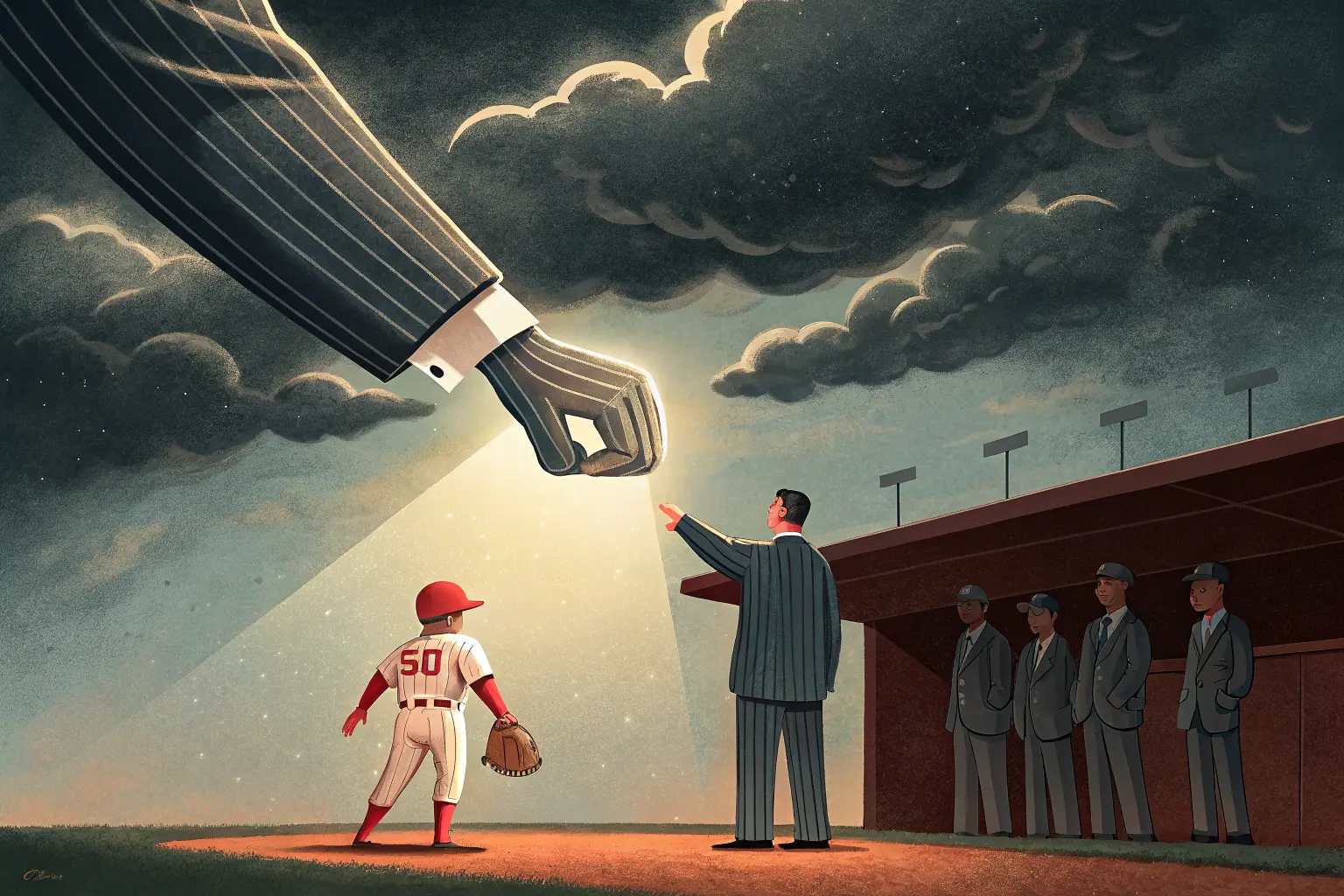
Baseball figured this out a century ago. You don't develop every prospect in-house and eat all the failures. You let independent farm teams take the risk and the losses, and when a kid turns into a star, you call him up. The difference is that baseball is honest about running a farm system. In AI it gets dressed up as the vibrant frontier of independent innovation, right up until the founder posts that he's "thrilled to start the next chapter" at Google.
I don't even fully blame the founders. If someone offers you nine figures and the keys to the biggest compute cluster on earth, and the alternative is grinding five more years against companies that can clone your product in a quarter and outspend you a hundred to one, you take the call. That's rational. The whole system is engineered to make it rational. That's the problem.
So the next time a demo goes viral and everyone insists the incumbents should be terrified, remember the pattern. The incumbents aren't terrified. They're shopping. The startup you're excited about is a farm team whether or not it knows it yet, and the exit everyone cheers isn't a company winning. It's a company being quietly disassembled with the lights left on.
People keep asking when the AI startups will crash. A lot of them won't. They'll get harvested. It's cleaner, it's quieter, and it leaves the same four names holding everything.