AI Safety Is the Best Marketing Money Ever Bought
"Our product might end the world" is the most effective sales pitch in tech history. Notice who keeps making it.
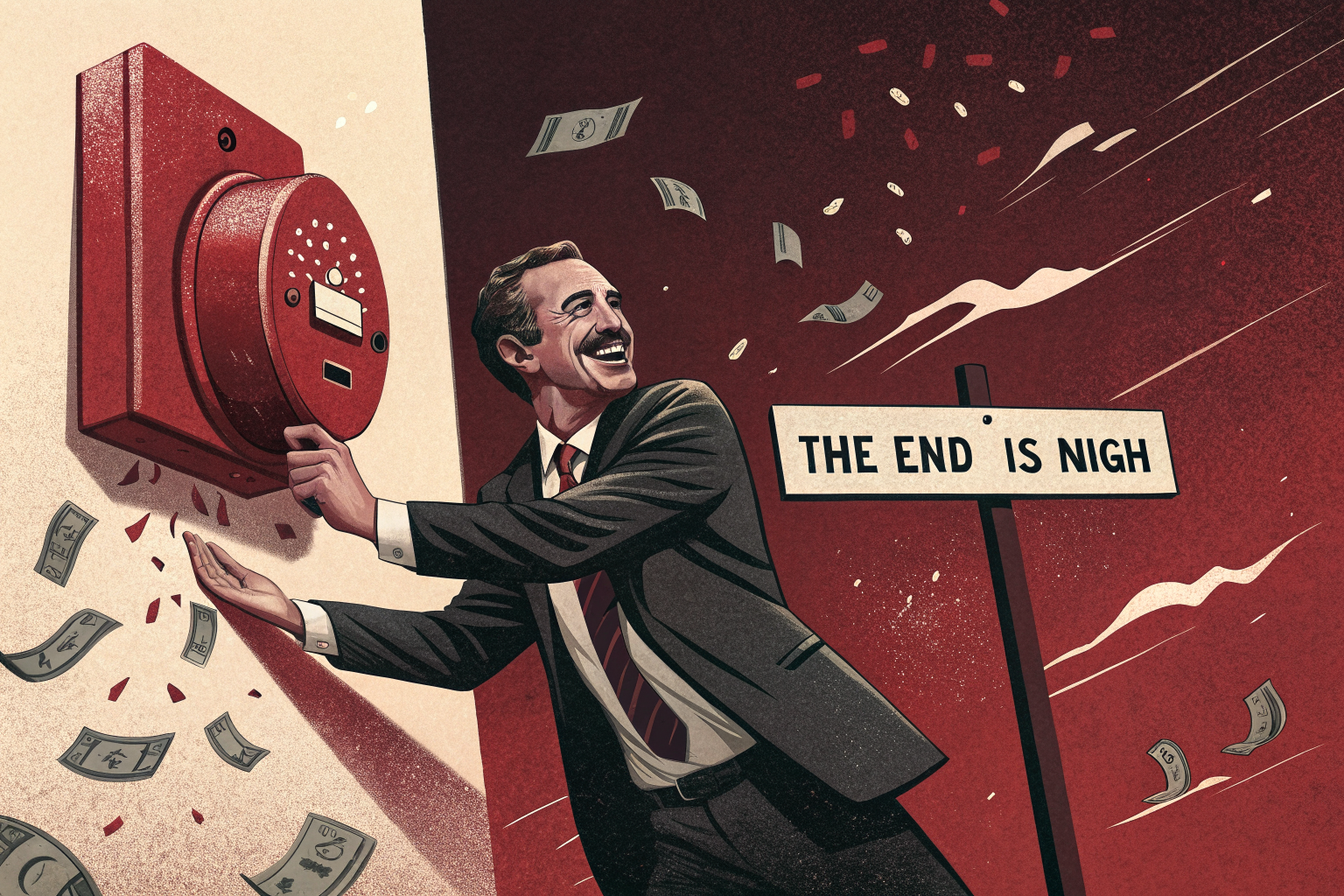
There is a sentence a tech executive can say that no other industry on earth can get away with. "We are building something so powerful it might destroy humanity, and we are the only ones responsible enough to hold it." Imagine a car company saying that. Imagine a cereal brand saying that. They would be shut down by Friday. An AI lab says it and the valuation goes up. That should bother you more than it does.
I am not saying AI risk is fake. Some of it is real and worth serious work. I am saying the doom narrative is also the single most effective piece of marketing the technology has ever produced, and the people funding the loudest warnings are, with suspicious regularity, the people selling the thing.
The fire alarm is being pulled by the company that sells the building.
Follow the incentive, not the vibe. If your product is a chatbot that sometimes writes a decent email, "it might take your job" is a feature pitch dressed as a confession. Fear is the best demo. Every breathless warning about how dangerously capable the model is doubles as a brochure for how capable the model is. You cannot buy that kind of awe. So they generate it for free, by being terrified of themselves in public.
Then there is the part that is actually cynical. Regulation. When a market leader stands in front of a Senate committee and begs to be regulated, they are not surrendering. They are pulling the ladder up. Compliance is a tax the giant can pay and the startup cannot. "License the labs, audit the models, restrict the weights" sounds like safety and functions like a moat. The incumbent writes the rules it already meets and the next competitor dies in the paperwork. The safest thing a monopoly can do is make safety expensive.
And the doomers? A lot of them are sincere, and that is exactly what makes them useful. Genuine fear is unfalsifiable and unpaid. You get a permanent supply of smart, anxious people generating headlines about godlike machines, and you did not have to put a single one of them on payroll. The labs could not script better hype if they tried, so they do not try. They just nod gravely and ship.
Here is the tell. Watch what they do with money versus what they say with words. The same companies warning that the technology could end the world are racing each other to make it more powerful, faster, with less oversight, while lobbying to handicap anyone behind them. If you actually believed you were building a bomb, you would not sprint to build a bigger one before the other guy. You would stop. Nobody is stopping. The behavior tells you the warning is positioning.
So what is the move, if you are a normal person trying to read this honestly. Stop taking the existential framing at face value and start asking who it serves. When a lab tells you the model is terrifyingly capable, treat it as an ad until proven otherwise. When it asks the government for rules, ask who those rules kill. And spend your actual attention on the boring, real harms that do not make good press releases, because the quiet stuff is where the damage lives while everyone stares at the killer-robot horizon.
The apocalypse is great for engagement. That is the problem. The most dangerous thing about AI in 2026 is not that it will wake up and kill us. It is that "it might wake up and kill us" is such a good line that we stopped checking the people who keep saying it.