The AI Detector Is a Coin Flip in a Lab Coat
Schools and bosses bought software that claims to spot AI writing. It clears the cheaters and flags the honest, and everyone keeps paying.
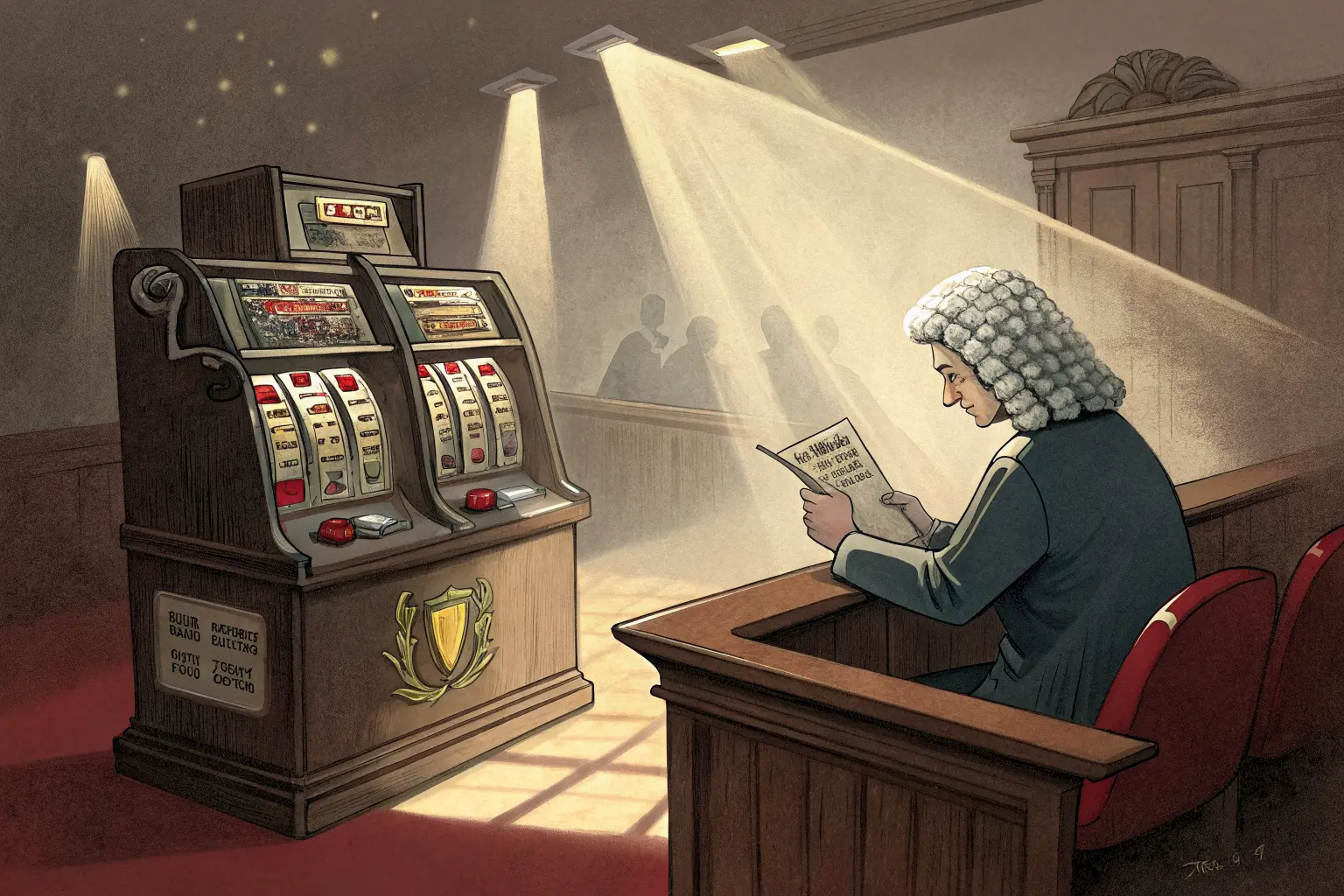
A student writes an essay. Her own words, her own late nights, no chatbot in sight. She turns it in and gets a zero, because a website scanned her paragraphs and announced they were "89% AI." The professor believed the website. Not the student. That number, spat out by software nobody in the room could explain, was treated as evidence. This is happening in real classrooms right now, and the tool at the center of it is closer to a slot machine than a lie detector.
Here is the thing the vendors will not print on the invoice. AI detectors do not work, and the people who build them know it. The best-funded version of this idea came from OpenAI, the company that makes the very models everyone is scared of. They shipped a detector in early 2023, and by that summer they quietly took it out back and shot it. Their own writeup admitted it caught roughly a quarter of AI text while falsely flagging real human writing as machine-made. If the company that trained the model can't reliably spot the model, the twelve-dollar-a-month startup selling the same promise to your kid's high school definitely can't.
The reason is structural, not a bug they'll patch next quarter. There is no fingerprint. AI writing tends to be smooth, grammatically clean, and low on surprise. You know who else writes smooth, grammatically clean, low-surprise prose? A careful non-native speaker who studied the rules harder than any native ever did. A nervous student who edited the life out of their draft. Anyone who was taught to write plainly. The detector isn't measuring "did a machine write this." It's measuring "does this read predictable," and then it dresses that guess up as a verdict.
A detector doesn't catch a machine. It catches anyone who writes like one.
And guess who writes "like a machine" most often. Stanford researchers fed a batch of these detectors real essays written by non-native English speakers, and the tools flagged more than half of them as AI. Feed them essays by native speakers and the false alarms mostly vanish. So the tool that's supposed to protect academic honesty is, in practice, a machine that disproportionately accuses the international student, the ESL kid, the person already fighting the language uphill. That's not a rounding error. That's the product landing squarely on the people with the least power to appeal.
It gets dumber. Feed these detectors the U.S. Constitution and they'll tell you a robot wrote it. Run the Book of Genesis or a chunk of Melville through and watch the AI-probability meter light up. Text that predates the transistor gets flagged as machine-generated, because old formal prose is also smooth and predictable. When your fraud-detection system confidently accuses Thomas Jefferson, the honest move is to turn it off. Instead schools bolt it on and start handing out zeros.
Now follow the money, because that's the only part of this that actually behaves rationally. Panic is a subscription business. Every professor terrified of getting fooled, every administrator who wants to look like they're "doing something about AI," is a recurring line item. Turnitin, which already had schools locked into its plagiarism software, simply bolted an AI detector onto the thing districts were paying for anyway and flipped it on. Vanderbilt looked at the reliability numbers and disabled it. Plenty of schools didn't bother to look. The false-positive rate isn't the vendor's problem to solve. It's the student's problem to survive.
What's really being sold here is the appearance of enforcement. A school can't actually stop a determined kid from using a chatbot, and everybody knows it. But it can buy a dashboard that outputs authoritative-looking percentages, point at it, and say the problem is handled. The percentage is the whole trick. "89% AI" feels like a measurement, like a blood-alcohol reading or a fingerprint match. It is nothing of the kind. It's a probability the software invented, with no chain of evidence, no way to reproduce it, and no explanation of how it got there. A number with a login is not proof. It's an accusation wearing a costume.
The real cheaters, meanwhile, are fine. Anyone motivated enough to fake an essay is motivated enough to paste it through a "humanizer" tool, add a typo, restructure a sentence, and sail straight past the detector. The scanner catches the anxious honest kid who happened to write cleanly and waves the actual cheat through the gate. Backwards is too kind a word. It's a metal detector that beeps at belt buckles and lets the gun walk.
So here's my rule, and it applies to any tool that claims to see through you. If it can't tell you how it reached its conclusion, it isn't evidence. It's an opinion with a UI. The AI detector doesn't know anything. It flips a weighted coin, prints a confident decimal, and lets a human with authority pretend the coin did the judging for them. Stop outsourcing your judgment to a slot machine in a lab coat. If you're going to accuse someone, have the spine to do it with a reason you can actually name.